
 English
 Español
 عربى

Categories
Linen Shower Curtain Fabric Bounces Back Quietly
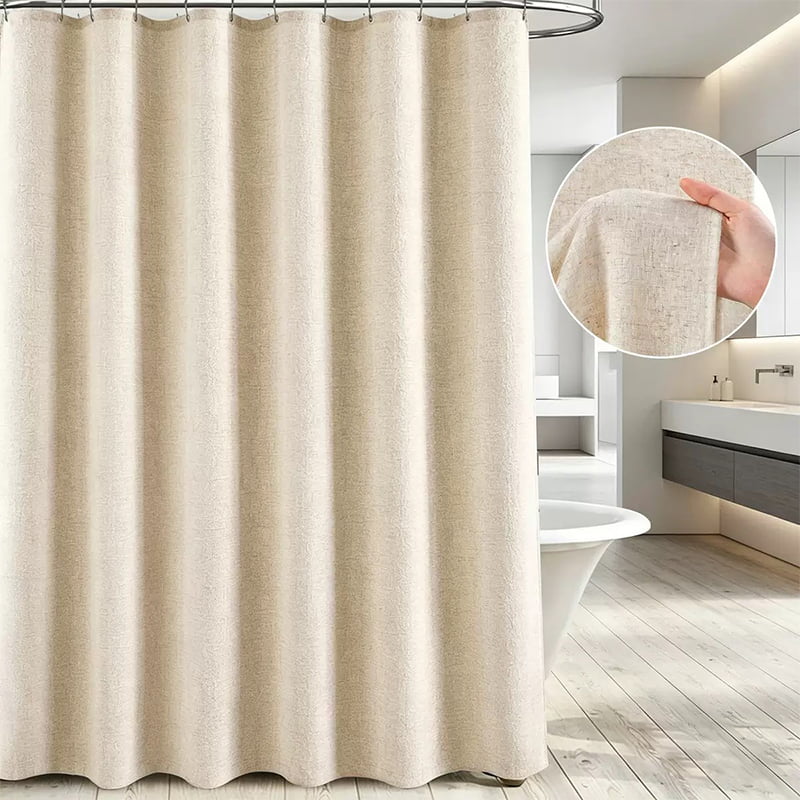
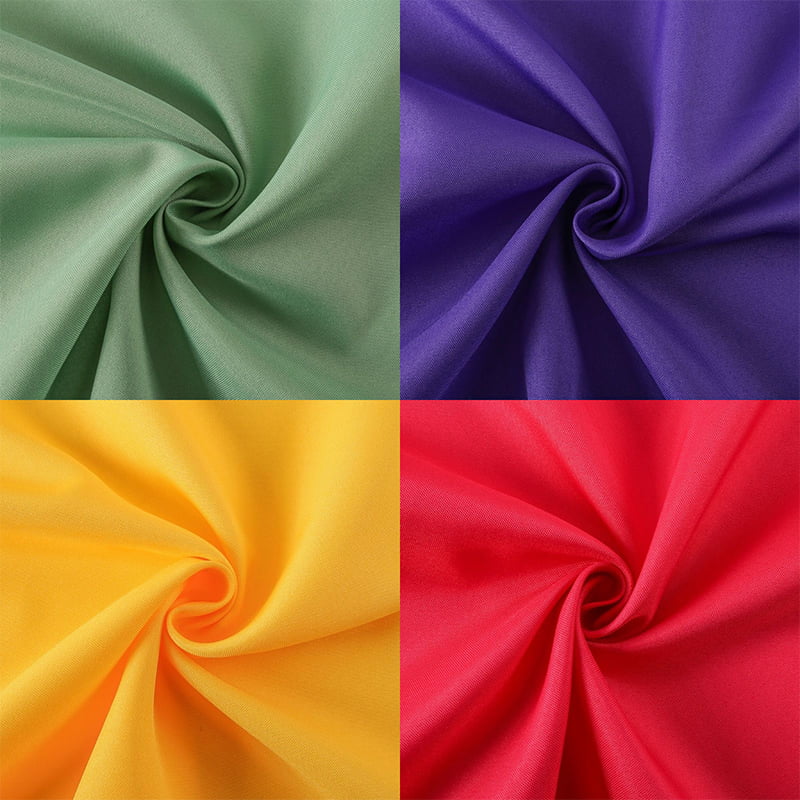
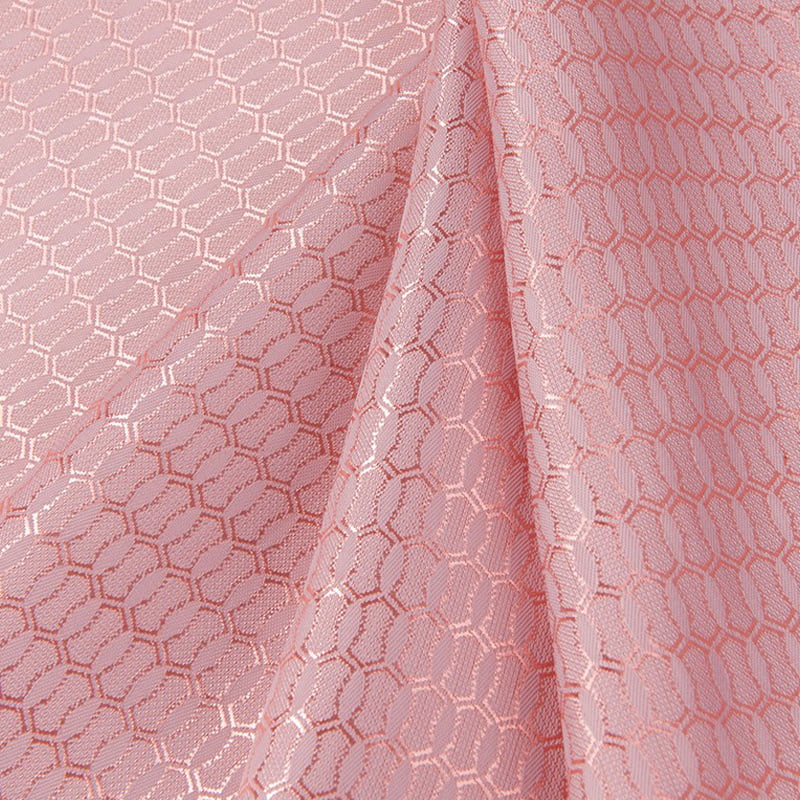
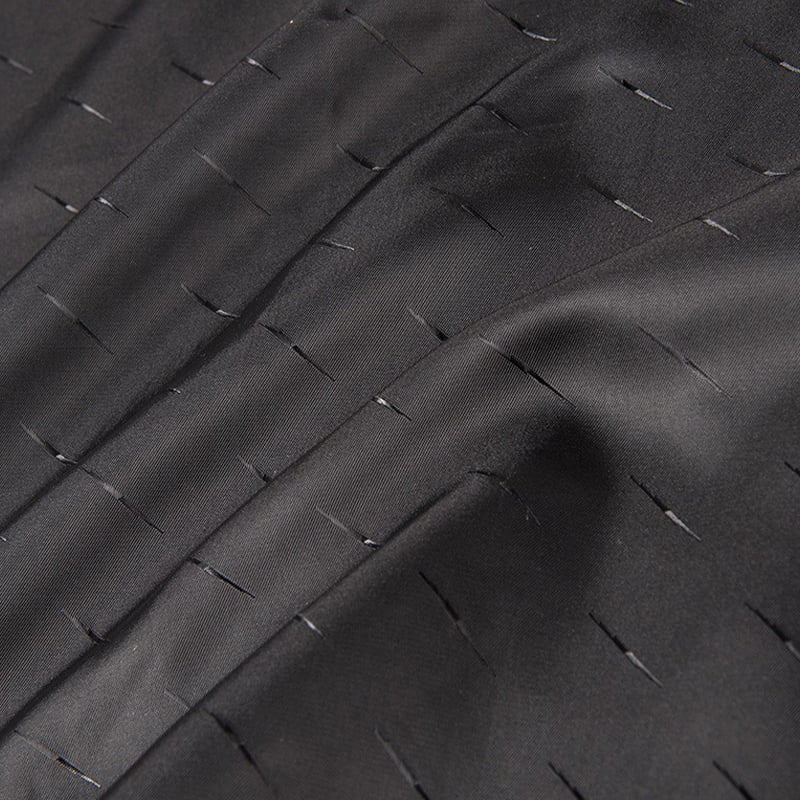
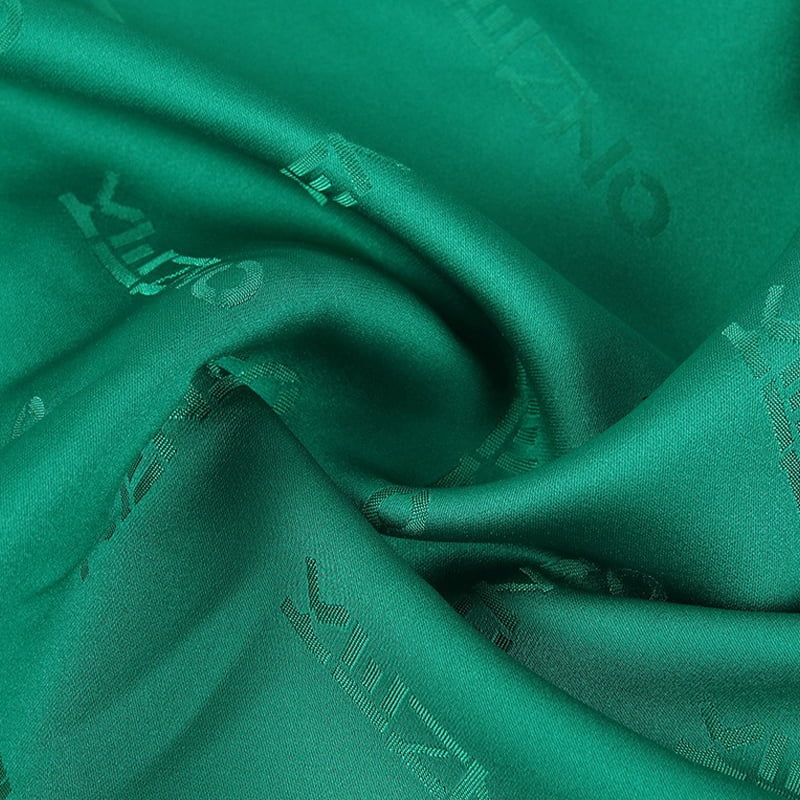
Linen Shower Curtain Fabric is back on the rod, and the argument this time is less about looks than about how a wet room behaves over a few hundred showers. Vinyl held the bath rod for two decades because it was cheap, opaque and easy to wipe. The woven alternative returns with different selling points: a matt face that does not glare under downlights, a hem that falls straight without a weighted insert, and a surface that dries between uses instead of holding a film of water. Hotel refits and small workrooms are the two channels driving the revival, and both buy by the metre rather than in finished packs.
The Shift Behind a Vinyl Standard
Part of the change is aesthetic drift: brushed brass, terrazzo and lime plaster all read badly against a shiny plastic sheet, and a natural-toned panel settles a busy wall. Part of it is operational. A liner can be replaced on its own schedule while the outer cloth stays in service, letting housekeeping swap a stained barrier alone. Workrooms also like cutting from a roll and hemming on standard machines, so a boutique hotel can rehang a wing in days.
What a Salt or Stone Wash Actually Changes
Raw linen off the loom is wiry and creases sharply. Finishers soften it by tumbling the cloth with pumice or by treating it in an enzyme bath, and the choice shapes what the buyer receives. A stone wash relaxes the yarn, lifts the surface fuzz and leaves a slightly dusty, hand-worn look with visible slub. An enzyme wash is gentler and more repeatable, producing a cleaner face that prints well but shows fewer natural irregularities. Neither treatment alters the fibre's absorption; it changes how the cloth feels and how it reflects light.
Two Routes to the Same Weight
- Mills reach a comparable hanging weight by different means, and the two routes behave differently at the hem.
- Denser weaving holds the panel's shape with less finishing, and the cloth feels firmer in the hand.
- A looser weave plus a heavier wash gives a softer fall and a more pronounced texture, but the panel needs a straight hem to hang cleanly.
Both routes end up somewhere between 180 and 260 grams per square metre. The second is harder to keep consistent across dye lots, which is why repeat orders on a soft finish often cost more than the opening quote suggests.
The Questions Coming From Buyers
Purchasing conversations have settled into a short set of practical worries.
- Will the shade shift after an initial wash, and by how much?
- How far does the panel shrink, and is the hem allowance enough to cover it?
- Does the water-repellent treatment survive laundering, or does it need refreshing?
- Can the roll be cut to an odd opening without a custom weave?
On maintenance, the guidance is unglamorous: cool wash, neutral detergent, no chlorine bleach, and a full dry before the curtain closes. A damp hem folded against itself is where spotting starts, and a bunched panel will smell long before it looks worn. Ironing slightly damp restores a crisp edge; leaving the creases is also acceptable and reads as intended texture.
Where this leaves the category is a slow, steady substitution rather than a spike. Mills are quoting longer lead times on custom shades than on stock ecru, and buyers who want a specific tone are booking ahead of renovation season. The cloth will not replace the liner in many bathrooms, but it has stopped being a niche finish for period-style rooms and started appearing in ordinary ones.
-
Our Mill, Our Fabric
- No Runaround.
-
Email:
13957259892@139.com
397065994@qq.com
Support Center 24/7
+86-13957259892
+86-15967200302
Find Us
East side of National Highway 104, Huancheng Village, Jiapu Town, Changxing County, Huzhou City, Zhejiang Province, China
