
 English
 Español
 عربى

Categories
Waterproof Oxford Fabric Widens Market Role
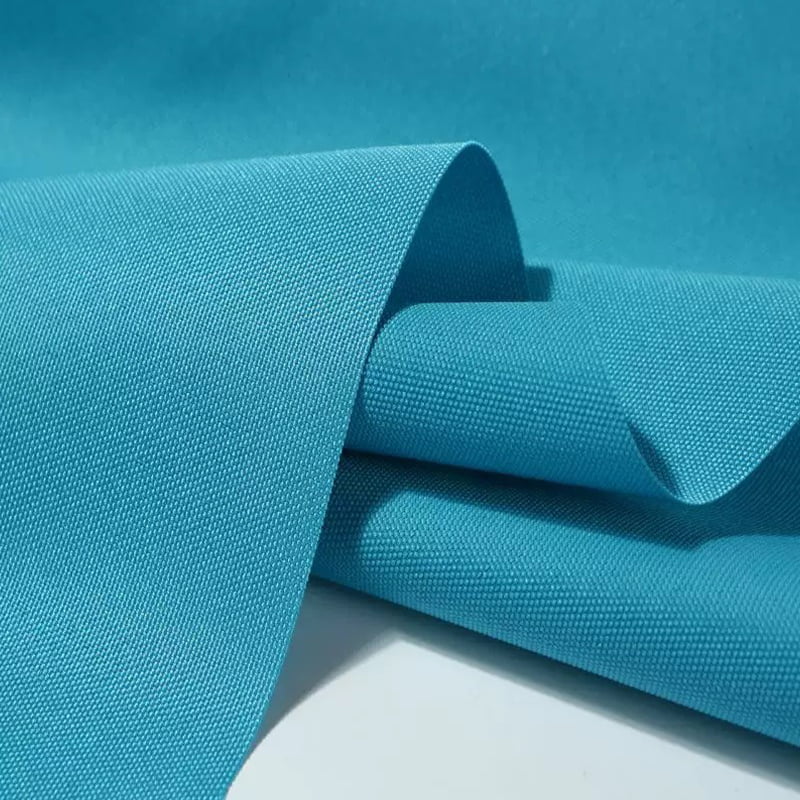
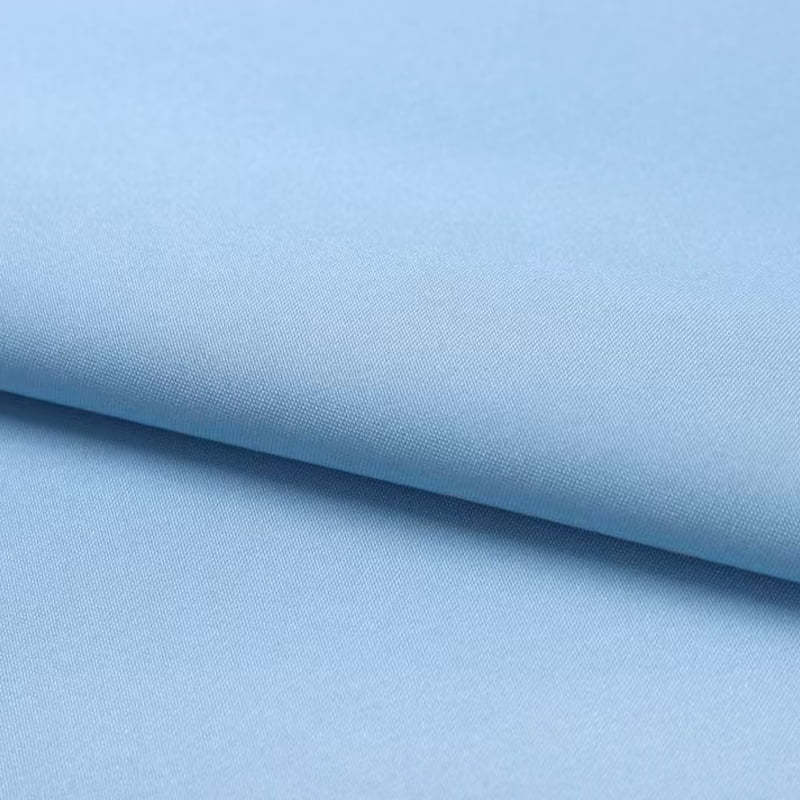
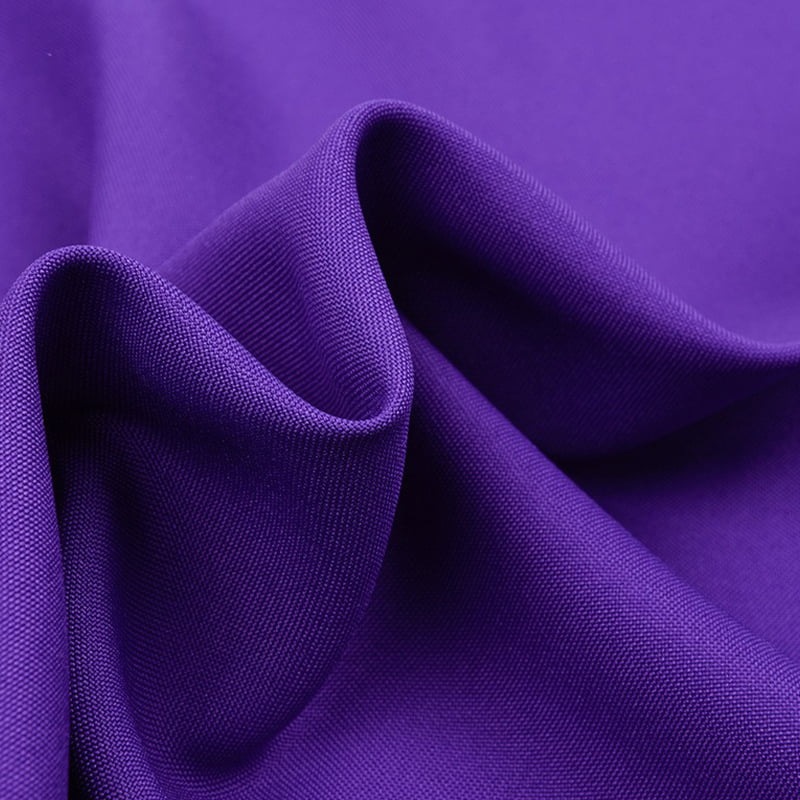
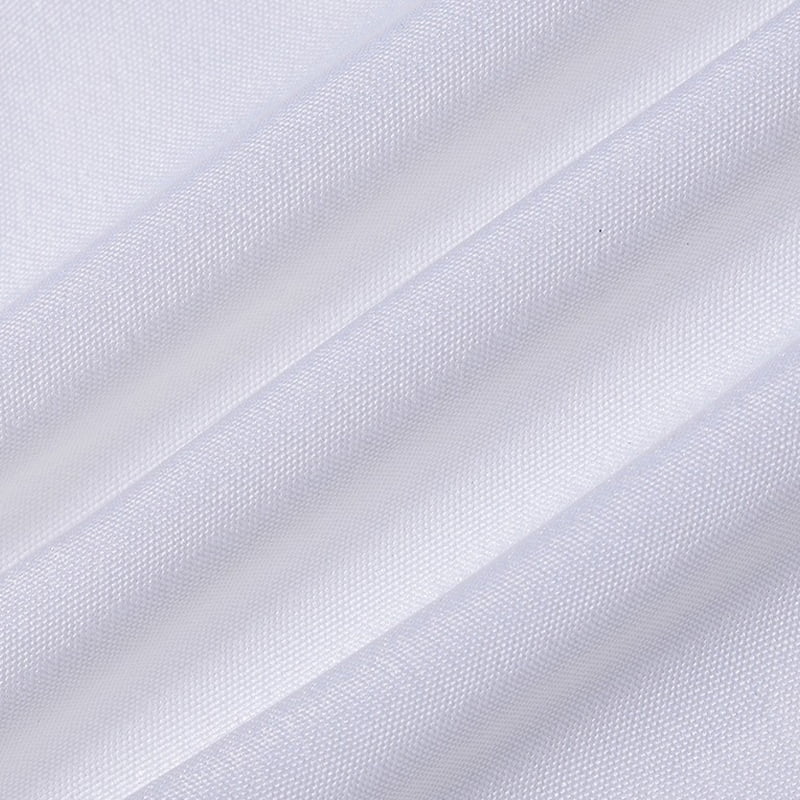
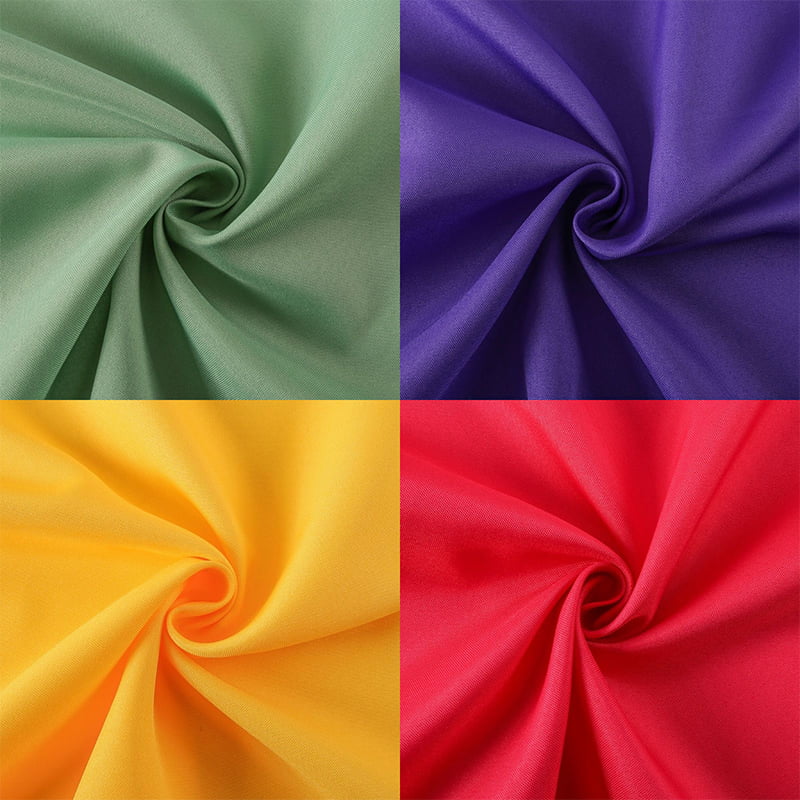
Waterproof Oxford Fabric has shifted from a workshop specialty to a routine input for bag makers, furniture producers and outdoor equipment suppliers. The woven cloth, built on a basket-weave structure that leaves a fine crosshatch surface, now appears in backpacks, protective covers, camping seats and travel accessories. Buyers point to a practical reason for the change: the cloth offers a dry, matte handfeel while a coated backing layer resists rain and spillage, and it can be cut, sewn and printed on ordinary equipment without new tooling.
How the Weave and the Backing Layer Work Together
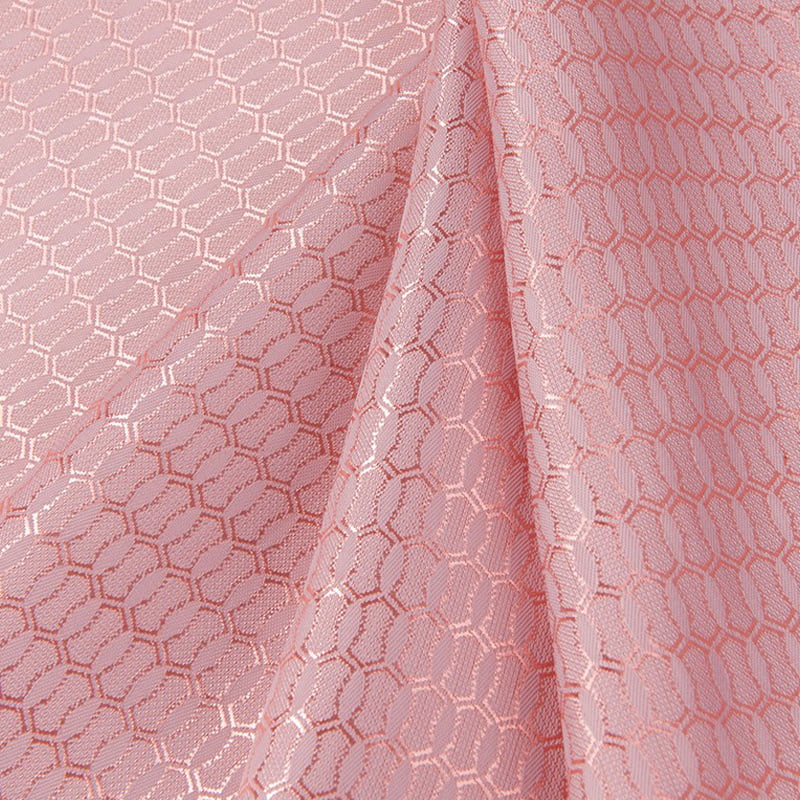
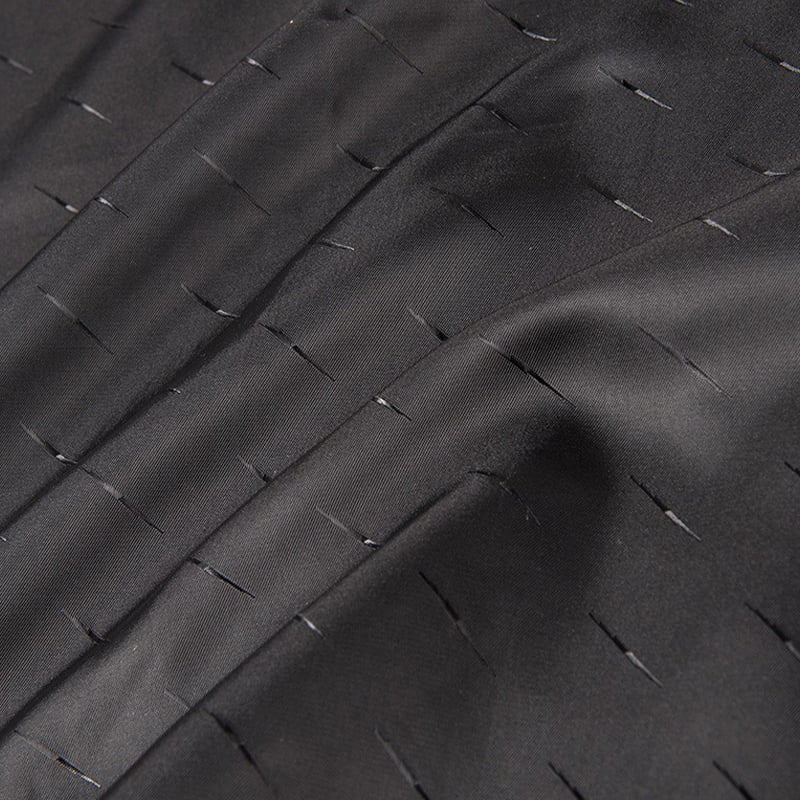
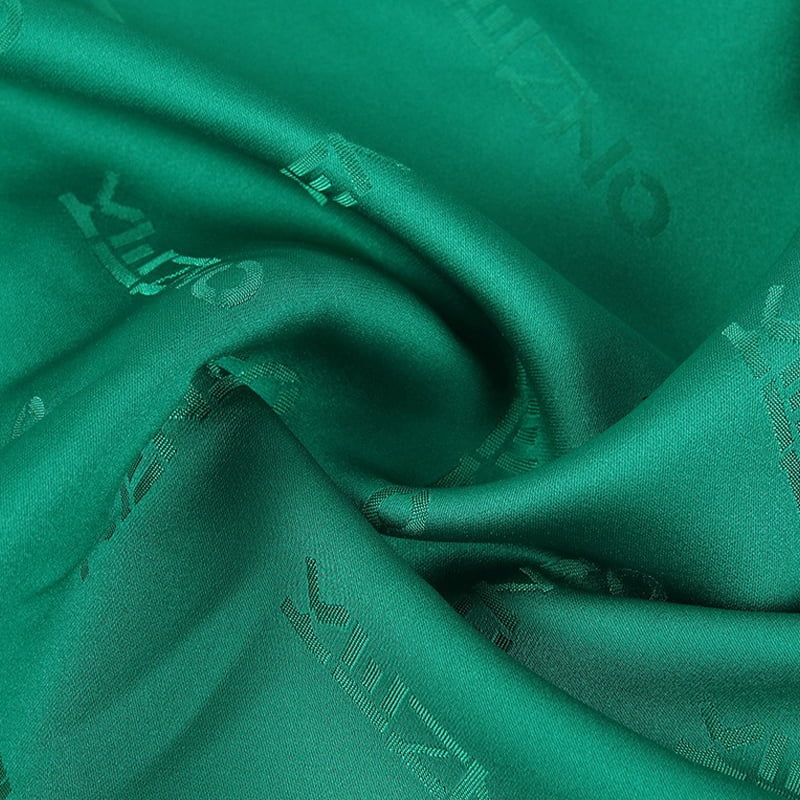
The base cloth is woven from filament yarn in a two-by-two pattern, which packs a higher yarn density into each square inch than a plain weave. That tighter grid gives the surface its slight sheen and its resistance to scuffing. The barrier itself comes from a coating applied after weaving. Polyurethane dispersion keeps the cloth soft and quiet; a polyvinyl chloride laminate adds weight and stiffness; a thermoplastic polyurethane film suits repeated folding; an acrylic back coating holds colour well at a lower cost. Barrier strength is usually reported as a water column figure from a hydrostatic head test, so two rolls with the same look can behave quite differently in steady rain. Stitched seams need sealing tape or a coated binding, because water reaches a garment through the needle holes long before it crosses the cloth.
Where the Material Fits in Everyday Products
The fabric's appeal lies in its balance of structure and pliability. Because it holds a shape when folded and does not rustle loudly, designers use it for commuter backpacks, tool rolls, stroller canopies, picnic mats, outdoor furniture covers and pet bedding. Printers favour it for signage and promotional totes, since the weave accepts pigment inks evenly across large areas. Furniture workshops use it for seat cushions in covered terraces, where a barrier against dew matters more than breathability.
Care, Cleaning and Service Life
A coated textile ages through abrasion and washing rather than through sunlight alone, so routine handling decides how long it lasts.
- Wash in cool water on a gentle cycle with a mild detergent, and skip bleach and fabric softener.
- Skip high-heat tumble drying, which can crack a film coating; hang the item in shade instead.
- Reapply a spray treatment after roughly ten washes, once water stops beading on the surface.
- Store the item dry and loosely folded, since a damp fold line invites mildew along the coating.
Supply Checks and Cost Balance
Purchasing teams rarely judge a roll by appearance alone, and a short checklist usually settles a sample review.
- Ask for a hydrostatic head report from a dated batch, not a general sheet.
- Test coating adhesion with a tape pull and a light abrasion rub on a hidden corner.
- Check colour fastness to rubbing, especially on dark shades that show chalky wear.
- Confirm roll width, usable length and minimum order quantity before quoting a price.
Cost tracks three variables: yarn denier, coating weight per square metre and order volume. A heavier coat raises the water column figure and the price together, so specifiers often match the rating to the end use rather than buying the heaviest option available.
Demand tends to rise ahead of wet seasons and gift periods, and fabric mills schedule dye lots accordingly. Mills commonly quote four to six weeks for custom shades, so converters planning spring launches place orders in the preceding autumn. For converters, the material remains a workable middle ground between untreated canvas and fully sealed laminates.
-
Our Mill, Our Fabric
- No Runaround.
-
Email:
13957259892@139.com
397065994@qq.com
Support Center 24/7
+86-13957259892
+86-15967200302
Find Us
East side of National Highway 104, Huancheng Village, Jiapu Town, Changxing County, Huzhou City, Zhejiang Province, China
